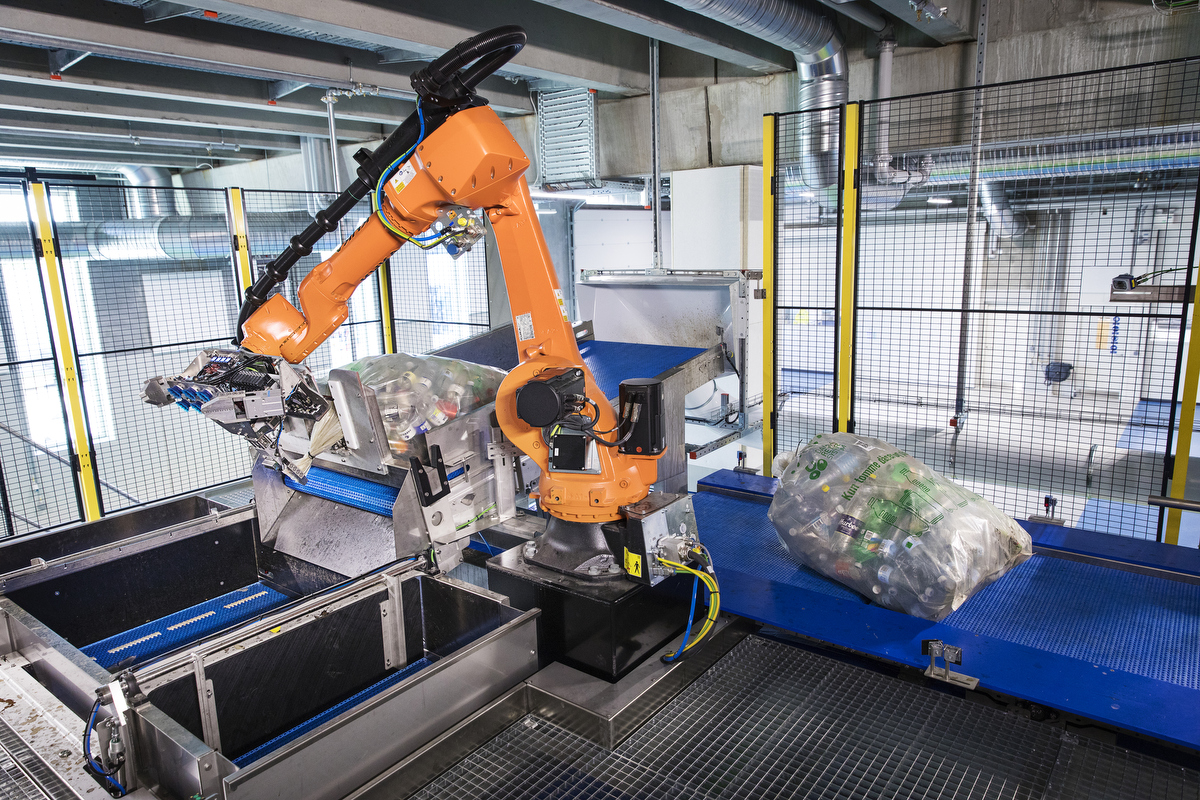
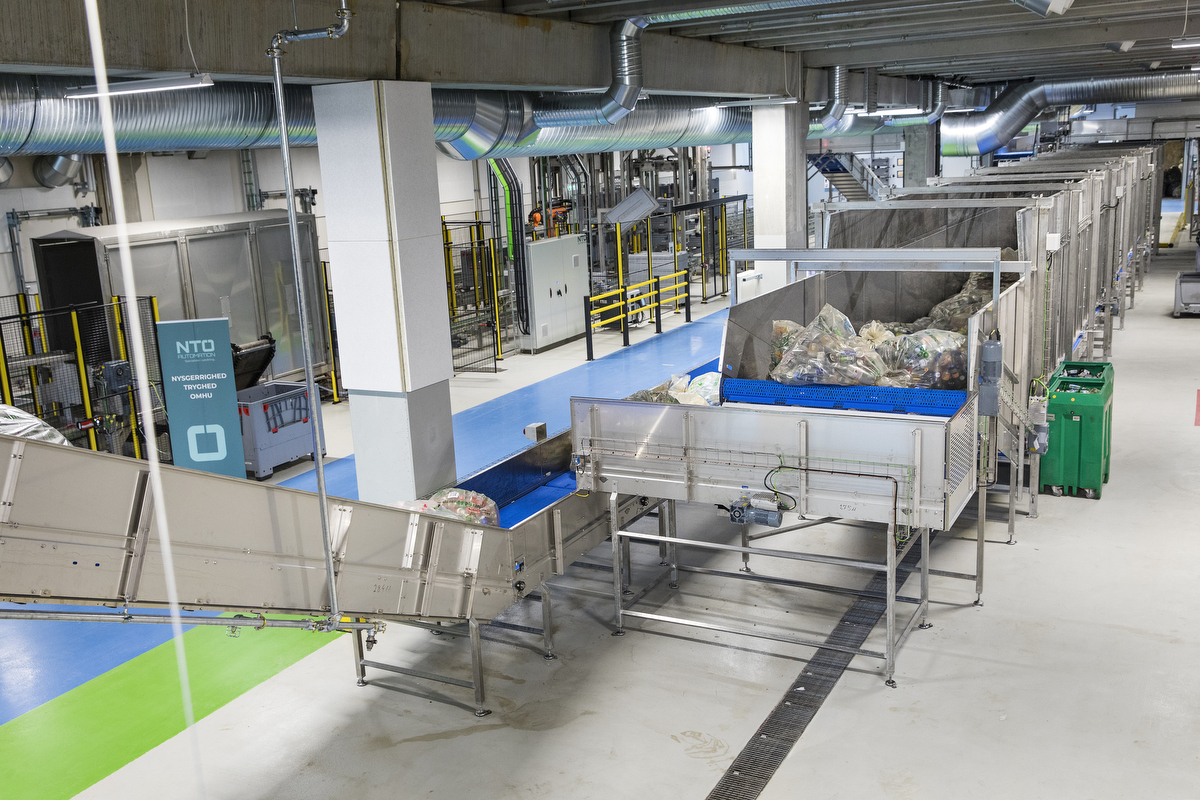
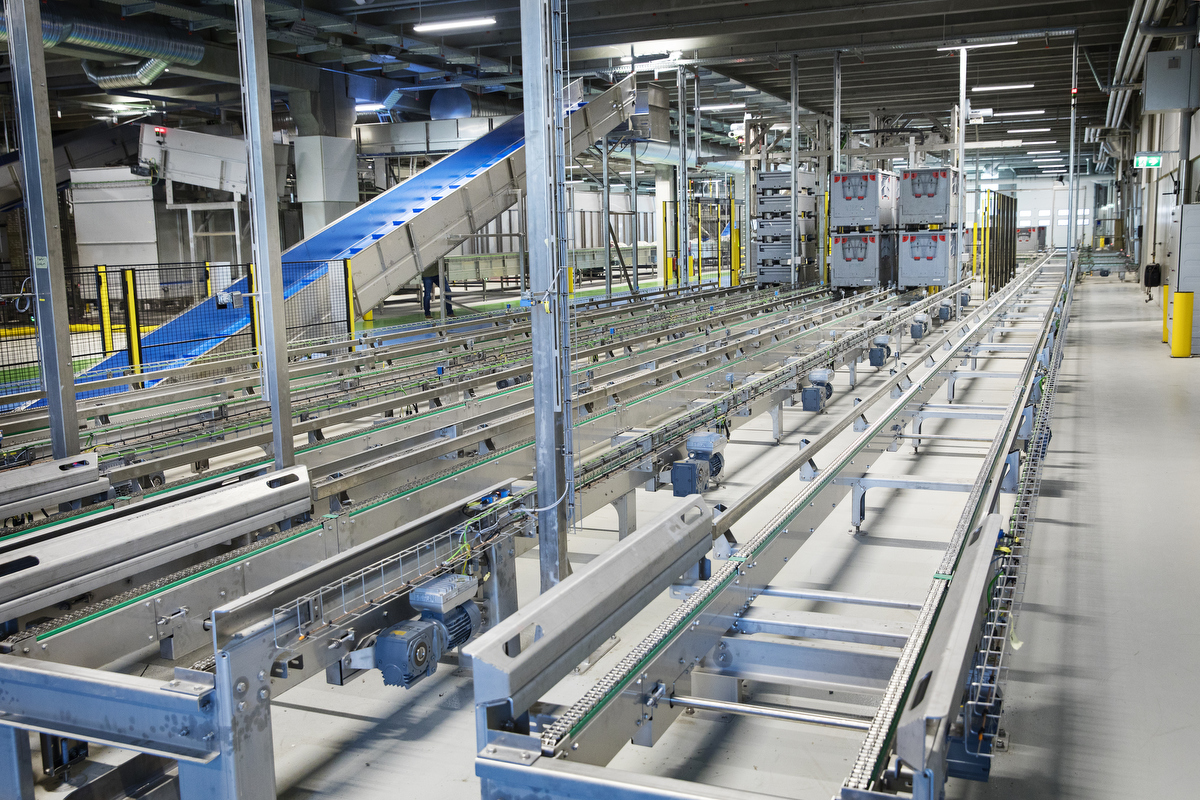
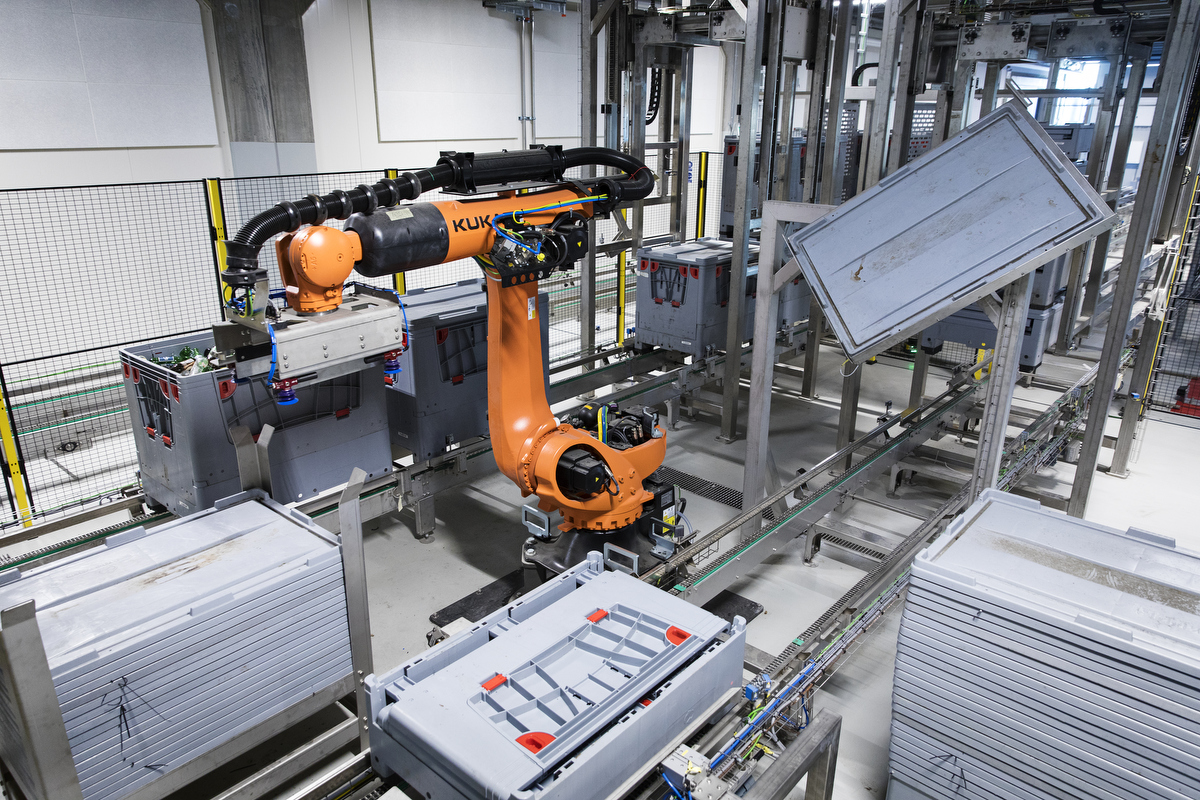
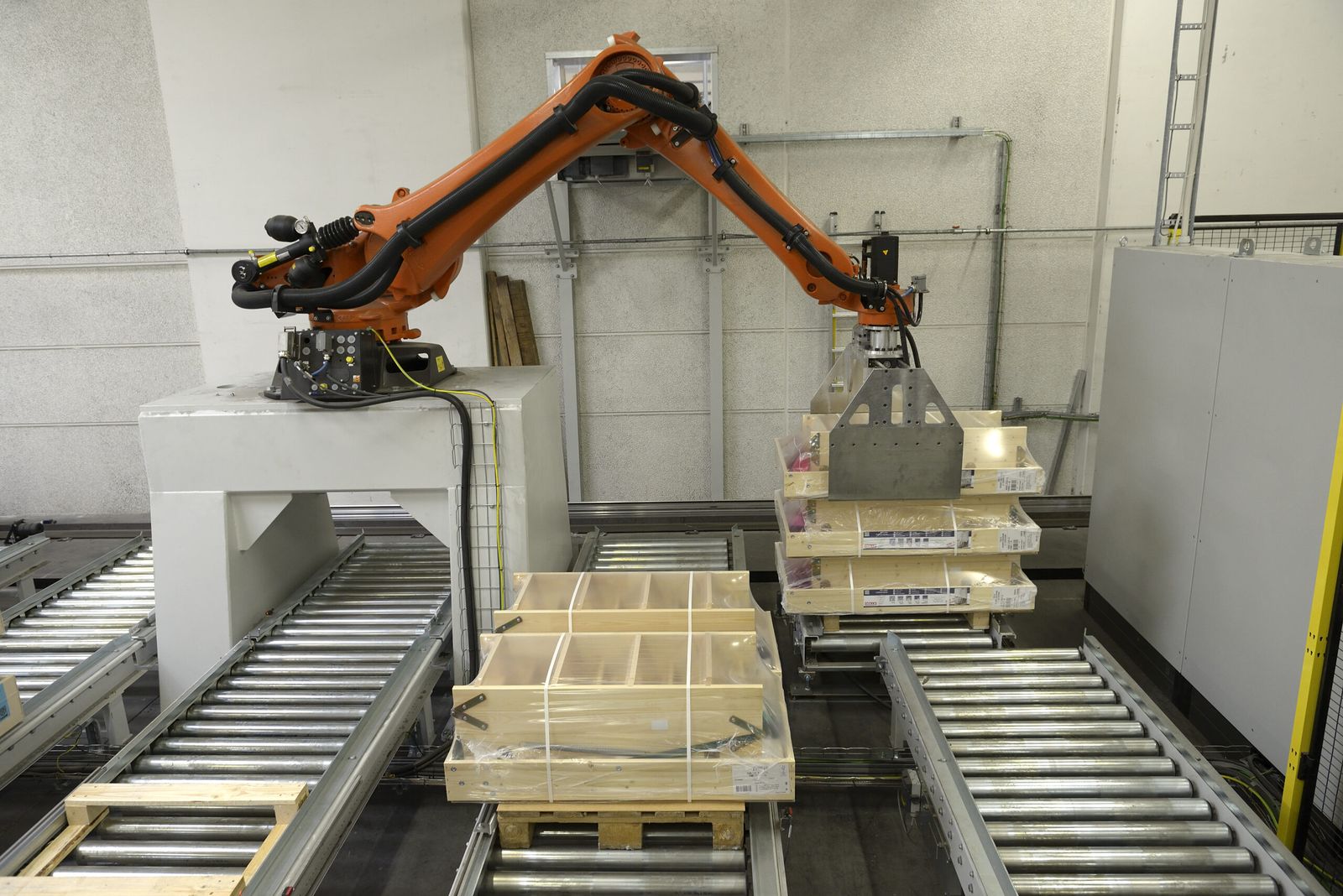
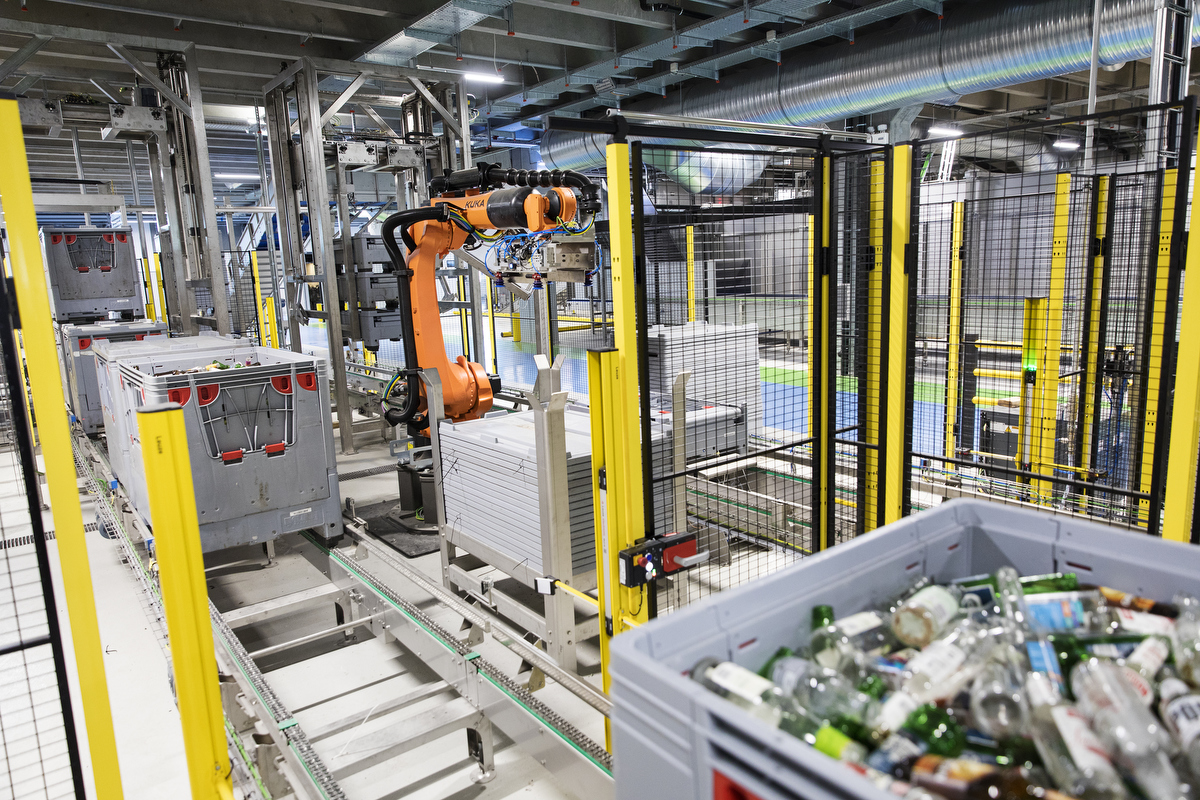
Orange industrial robot in a robot cell with conveyors and crates of bottles in an automated sorting plant

Automation & robots

Automation that makes the whole production work as one system.

Robot integration, controls, operator interfaces, production software and data, chosen based on process, product variation, cycle time, quality requirements, working environment and integration needs. From clarification and design to commissioning, documentation and service.

  • Architecture from production-level control (OT) to ERP
  • Overall project responsibility or a responsible partial delivery
  • Design, integration, testing and commissioning
From production challenge to a solution ready for operation

When capacity, quality and people need to work better together

We do not automate for the sake of technology. We start from the process, the bottlenecks and the operation the solution has to work in. Technology is chosen based on product variation, cycle time, quality requirements, working environment and integration needs, and robots, controls, software and data are brought together around the task.

  • Challenge

    Bottlenecks and manual lifting

    The goal

    Automated handling and a more stable flow.

  • Challenge

    Inconsistent quality and difficult inspection

    The goal

    Vision, sensors and documentable process control.

  • Challenge

    Stoppages and difficult troubleshooting

    The goal

    Controls, alarms and data that make deviations visible.

  • Challenge

    Machines and systems that stand alone

    The goal

    Defined interfaces from equipment and PLC to MES, ERP and WMS, with clear data responsibility.

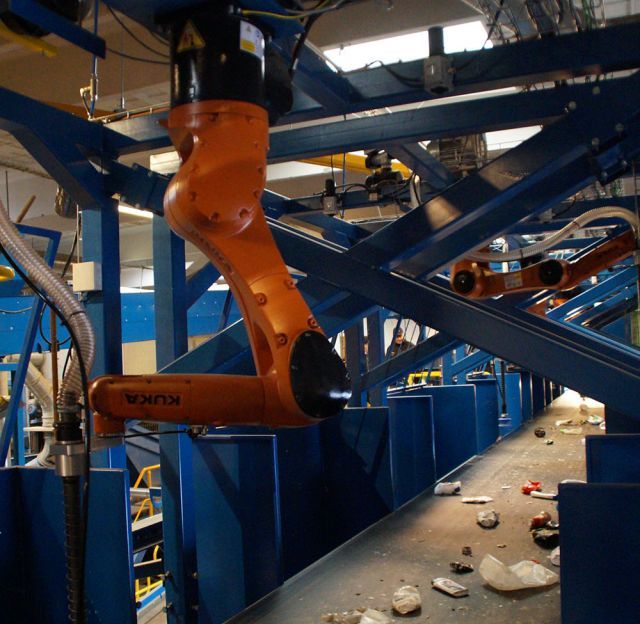
Orange industrial robots above conveyor belts in an NTO plant for automated plastic sorting
Robot-based handling
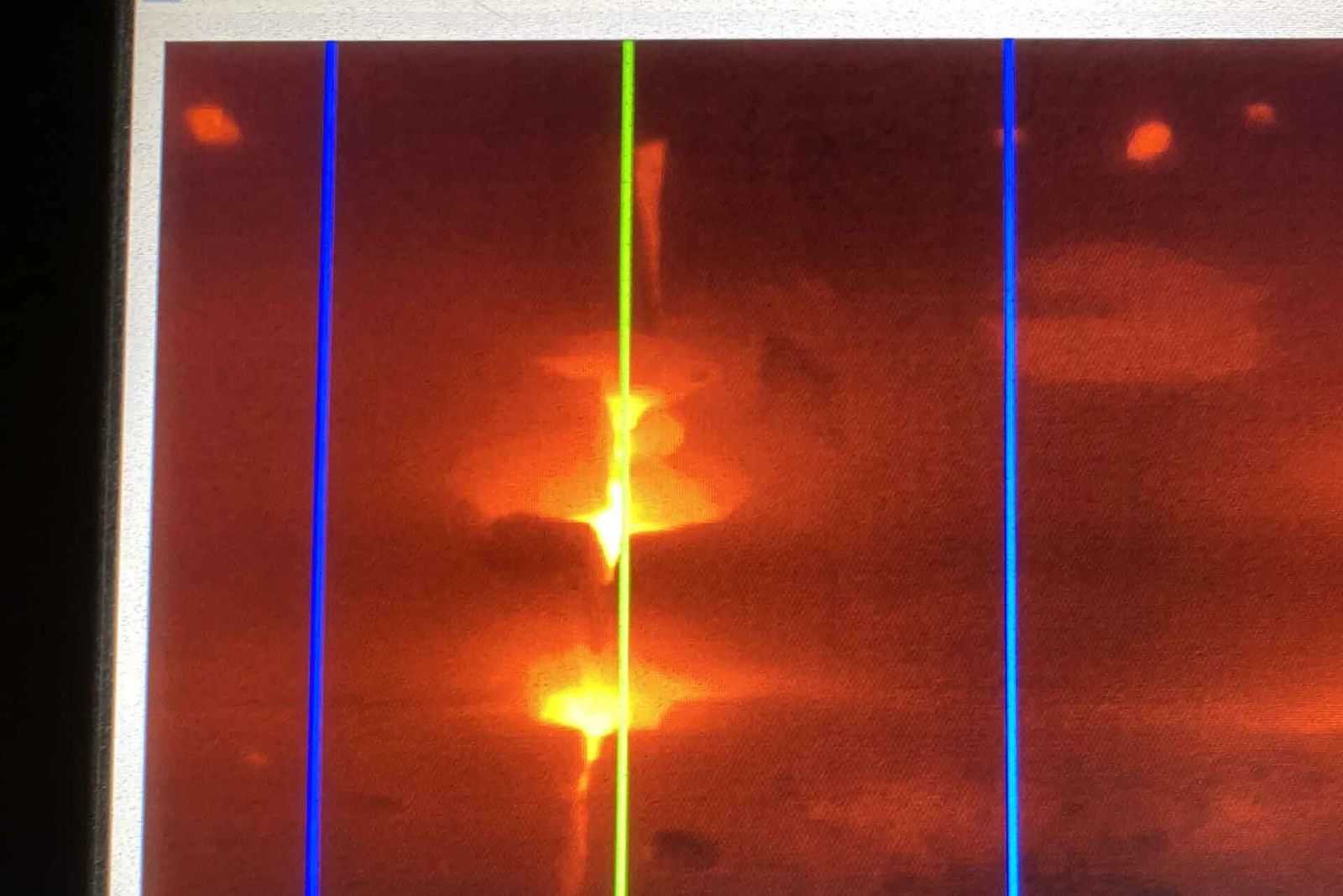
Screen from an industrial vision system for automatic quality control
Vision and inspection
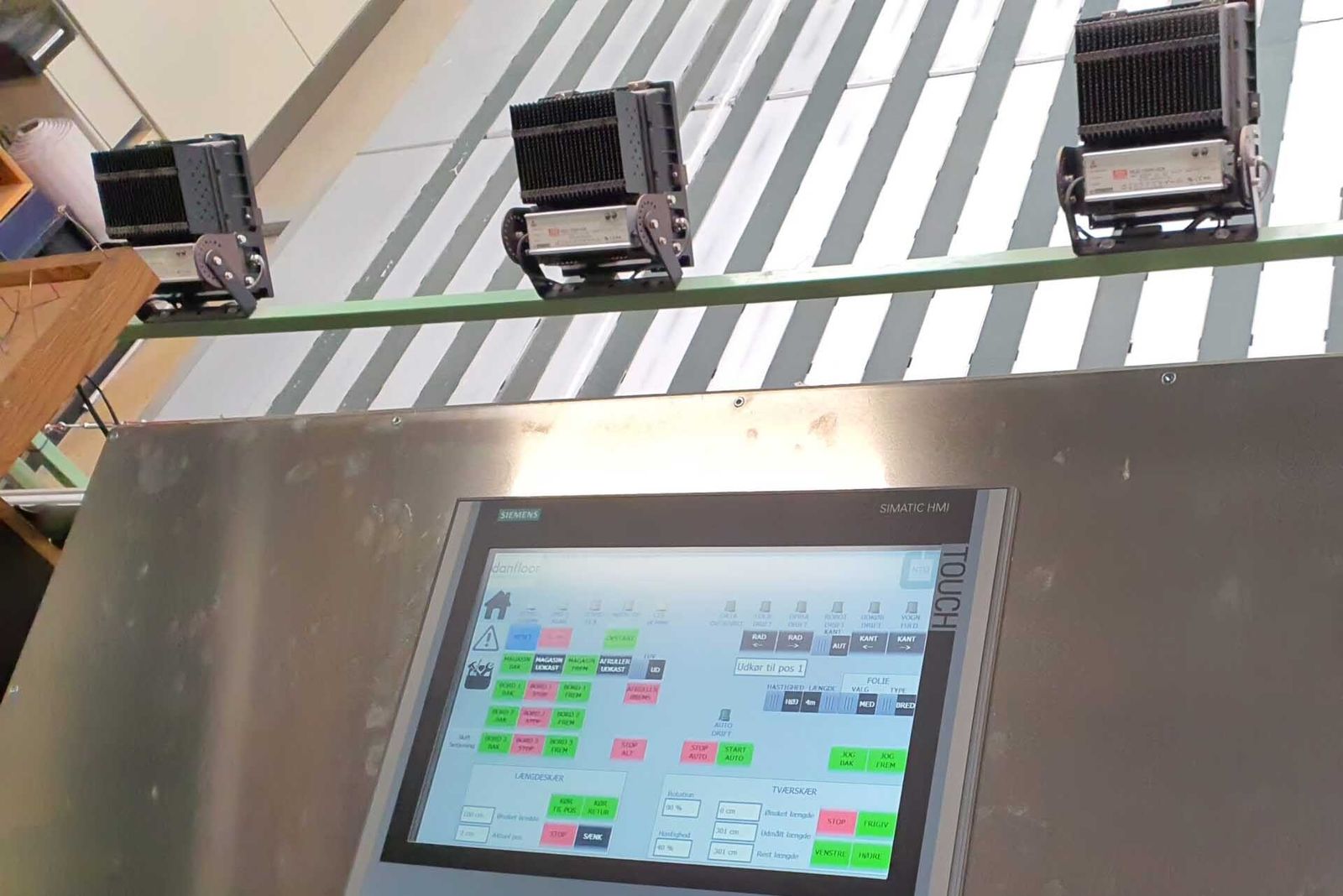
Operator panel with HMI screen and sensors mounted above a production line
Controls, software and data

Documented in operation

Documented in NTO's published cases

Automation architecture

From production equipment to business systems

The value comes when production equipment, controls, operator interfaces, production software and business systems work as one coherent architecture. OT security runs across all of it, while service and monitoring follow the solution throughout its life.

  1. ERP, WMS and planning

    Orders, production planning, inventory and business data.

    What it means for operationsProduction and material flow can follow the plan, orders and stock status without unnecessary manual re-entry.

  2. MES and production data

    Order execution, batch, OEE, traceability, quality, history and reporting.

    What it means for operationsOrders, process and documentation are linked, so production can be tracked and improved on a shared data basis.

  3. HMI, SCADA and operator interfaces

    Operation, alarms, monitoring, trends, recipes and visualisation.

    What it means for operationsThe operator gets one overview, consistent operation and a shorter path from alarm to action.

  4. PLC, machine safety and motion control

    Machine logic, sequences, safety PLC, servo drives, frequency converters and motion control.

    What it means for operationsThe process is controlled safely, in sync and reproducibly, with clearly defined safety functions.

  5. Machines and production equipment

    Robots, vision, sensors, actuators, conveyors and process equipment.

    What it means for operationsThe equipment carries out the process. Sensors register states, while robots and actuators turn the control into movement and action.

Across

OT security

Network segmentation, access control, secure remote access, backup and restore, logging and documentation.

Life cycle

Service and monitoring

Support, data logging, preventive maintenance and ongoing optimisation after commissioning.

Way of working together

The responsibility the project requires

There is no single right model. Some projects require overall project responsibility, others a defined partial delivery or specialists working in your own team.

  1. Overall project responsibility

    NTO is responsible for the overall automation delivery, from clarification, design and testing to commissioning and handover.

  2. Partial delivery and specialist assistance

    NTO delivers a defined part with its own responsibility, or adds specialists to your team in areas such as PLC, SCADA, software, vision, robot integration and electrical systems.

  3. Service and optimisation

    Support, monitoring, maintenance and further development of existing installations, to the extent set out in the service agreement.

Overview of expertise

Eleven areas of expertise across the automation architecture

  • OT securitySegmentation, access control, backup and secure remote accessGo to the page
Controls, machine safety and motion control

Machine logic, machine safety and precise motion

PLC and safety PLC, sequence control and electrical design form the foundation. Add to this frequency converters and servo drives, motion control, panels, and testing and commissioning, so the controls are proven before they carry production.

NTO is a Bosch Rexroth sales partner in Denmark, covering selection, sizing, programming, integration and service. The technology track includes ctrlX Automation, control and I/O, machine safety, drives and motion control, also for retrofit and modernisation.

What it means for operations

The process is controlled and reproducible, faults can be diagnosed faster, and the architecture can be maintained and expanded.

Bosch Rexroth hos NTO
NTO controls integrated in an automated production plant
  • PLC and safety PLC
  • Sequence control and I/O
  • Frequency converters and servo drives
  • Motion control
  • Electrical design and panels
  • Platform migration
  • Testing and commissioning
Software, MES and data

The link between OT and business systems

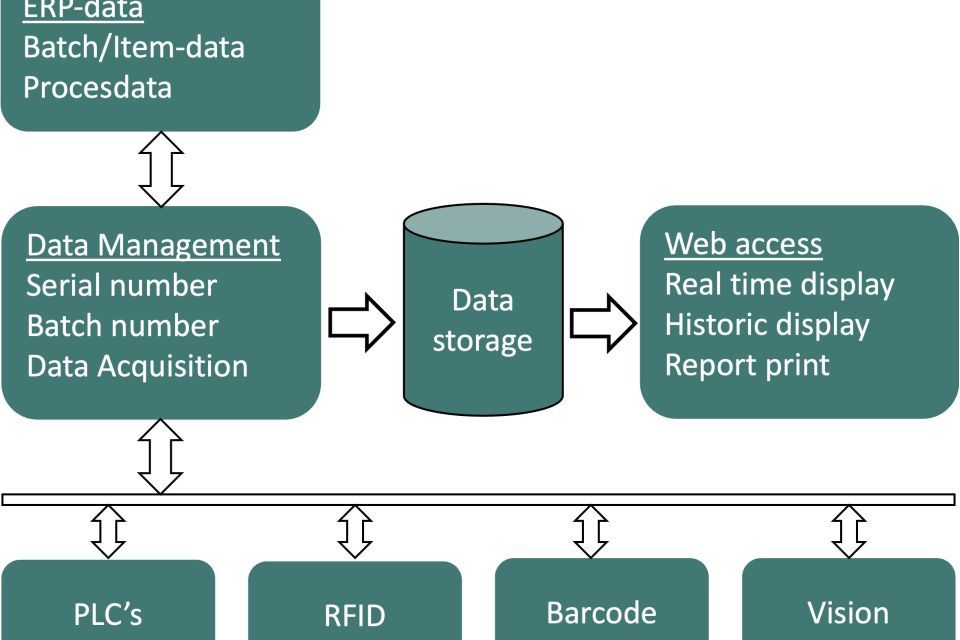
SCADA monitors the process close to the machines. MES and other production software handle order execution, batch data, OEE (overall equipment effectiveness), quality, history and reporting. ERP typically owns orders and business data, while WMS owns inventory. The interfaces are defined with clear data responsibility, so information from the line reaches the systems that plan and document.

Identification with RFID and barcodes links physical items to data, so traceability can be built in from the start.

What it means for operations

The aim is fewer manual data transfers, better traceability and a shared data basis for production.

Read about data management
Data management between production, MES and ERP
  • Order and batch handling
  • OEE and quality
  • History and reporting
  • Databases and APIs
  • RFID and barcodes
  • Integration with ERP/WMS
HMI, SCADA and operator interfaces

Operation that makes deviations understandable

The HMI is the operator's interface at the machine; SCADA brings together monitoring, alarms and trends across the plant. Operator screens, alarm structure and dashboards are designed so the operator sees what matters first. Recipes and operation are brought together in a consistent structure across lines and machines.

What it means for operations

The aim is faster understanding of deviations, consistent operation and a shorter path from alarm to action.

Development of automation and visualisation software at NTO
  • Operator screens
  • Alarm structure and prioritisation
  • Dashboards and trends
  • Recipes
  • Monitoring
Robot integration, vision and inspection

Robot cells and automated quality control

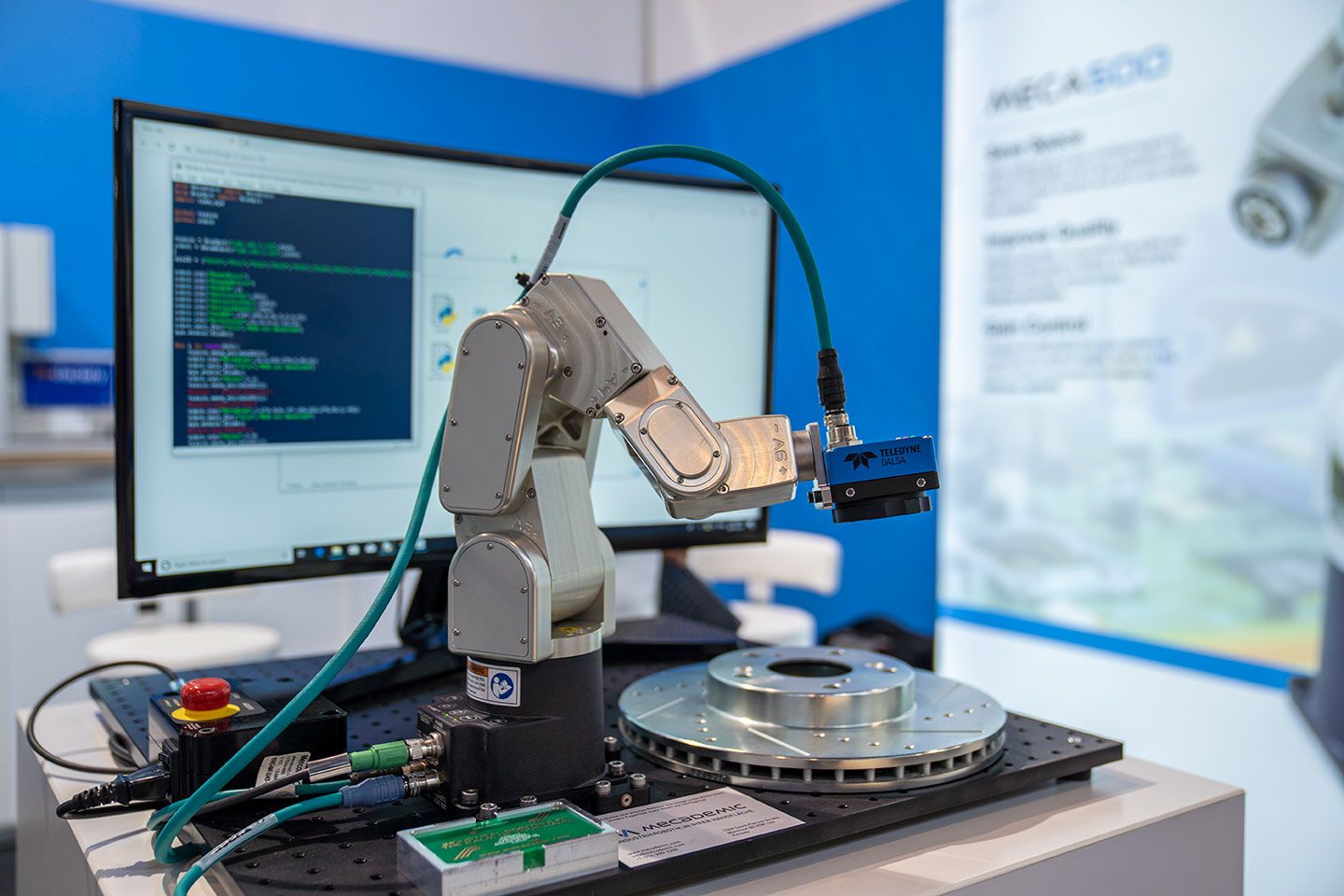
A robot cell is more than the robot. Gripper, item variation, cycle time, reach, payload, vision and lighting, sensors, identification and machine safety are sized together. Robots and vision are relevant when the task requires flexibility; for a stable high-volume task, a dedicated mechanism can be more robust.

NTO is an integrator and dealer of Mecademic. The Meca500 is a concrete example of precision robotics: 4.5 kg own weight, 260 mm reach, 5 μm repeatability, 0.5 kg payload, 24 VDC, and Ethernet, EtherCAT, EtherNet/IP and Profinet. At CTS Ferroperm, the Meca500 is used in ultrasonic testing of transducers.

What it means for operations

Repeatable handling and inspection where precision, quality or working environment is critical, and where flexibility has real value.

Mecademic hos NTO
Mecademic Meca500 precision robot integrated by NTO
  • Robot integration and gripper technology
  • 2D/3D vision and lighting
  • NIR and sensors
  • Identification
  • Quality control
  • Precision robotics
WCS and material flow

Coordinating material flow and equipment

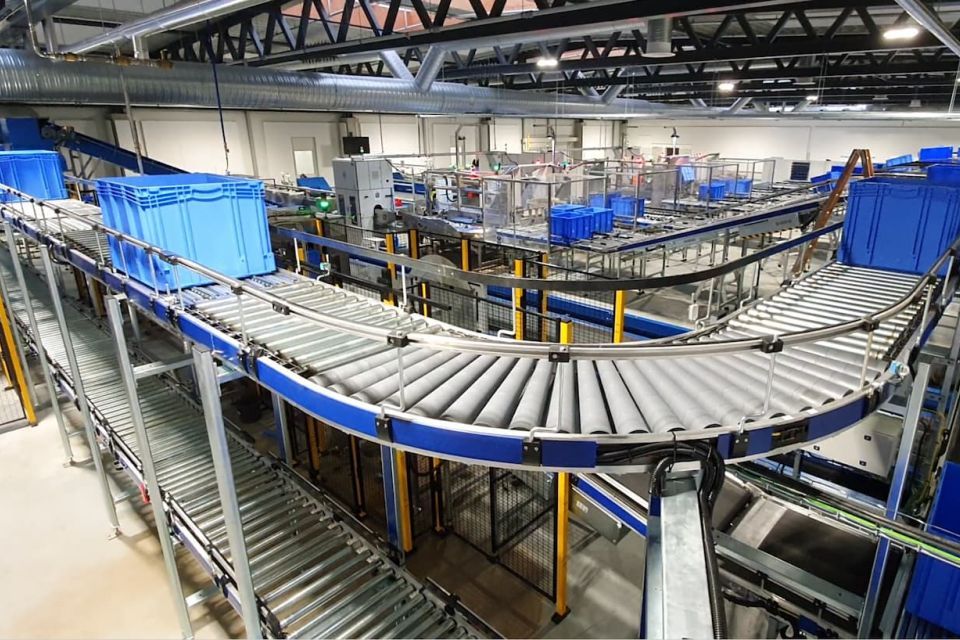
Warehouse control (WCS) coordinates material flow and equipment: internal transport, identification and interfaces to AGV/AMR and conveyor systems. WMS typically owns the warehouse and inventory logic, but the division of responsibility depends on the specific architecture.

The mechanical and logistical side, including conveyors, storage solutions and layout, is described on the Intralogistics page.

What it means for operations

The aim is to coordinate transport, buffers and production orders, so the material is there when the process needs it.

Go to Intralogistics
  • Warehouse and flow control (WCS)
  • Internal transport
  • Identification and warehouse data
  • AGV/AMR interfaces
Retrofit and modernisation

Modernisation without putting operations at risk

Modernisation of existing installations (brownfield) starts with an analysis of the installation and documentation: discontinued components, access to existing software and backups. Then migration of controls, testing and commissioning are planned within a scheduled production stop.

Billund Airport is the documented example: analysis of the existing baggage handling and development of an open, documented modernisation solution.

What it means for operations

Existing investments are put to use, and the modernisation is planned so critical operations are affected as little as possible.

  • Analysis of existing installation
  • Discontinued components
  • Software access and backup
  • Migration of controls
  • Documentation and testing
  • Planned production stop and commissioning
BMS and building automation

Technical installations in one overview

Control and monitoring of technical installations to manage energy, indoor climate and building operation.

Project process

From requirements to stable operation

  1. 01

    Clarification and solution design

    Goals, existing conditions, interfaces and acceptance criteria.

  2. 02

    Architecture and design

    Hardware, software, network, safety and documentation.

  3. 03

    Development and integration

    Programming, visualisation, data and equipment integration.

  4. 04

    Test

    Structured functional testing and FAT where agreed.

  5. 05

    Commissioning

    Installation, SAT where agreed, production start-up and debugging.

  6. 06

    Handover

    Documentation, training and agreed service organisation.

  7. 07

    Service and optimisation

    Support, monitoring, maintenance and improvements.

Documented cases

Projects where controls, software and equipment are integrated

Facts follow NTO Automation's published project descriptions.

Automated counting and sorting plant at Dansk Retursystem
1 / 6
Automated counting and sorting plant at Dansk Retursystem

Featured case

Dansk Retursystem

NTO is the turnkey and main supplier of an automated counting and sorting plant. The delivery covers software, controls and equipment integration. The project was won through an EU tender.

Plant
13.000 m²
Capacity
approx. 3 million bottles and cans per day

Controls, software and equipment integration in a critical, high-volume process.

  • Production control and RFID solution at Dolle

    Dolle

    50% higher production capacity

    Control systems, RFID and production data. Documented capacity improvement through linking controls, identification and data.

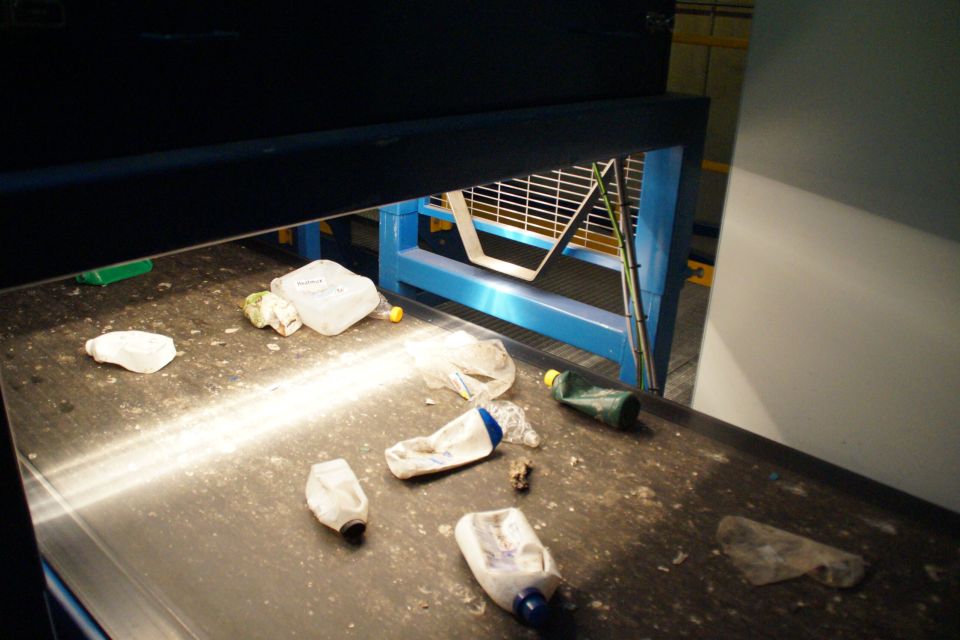
  • Used plastic packaging on a sorting belt in NTO's plant for automatic plastic sorting

    Nomi4S

    Six robots · up to 12 plastic types

    Plastic sorting with robots, sensors and PLC, where items are identified and sorted automatically in a complex material flow.

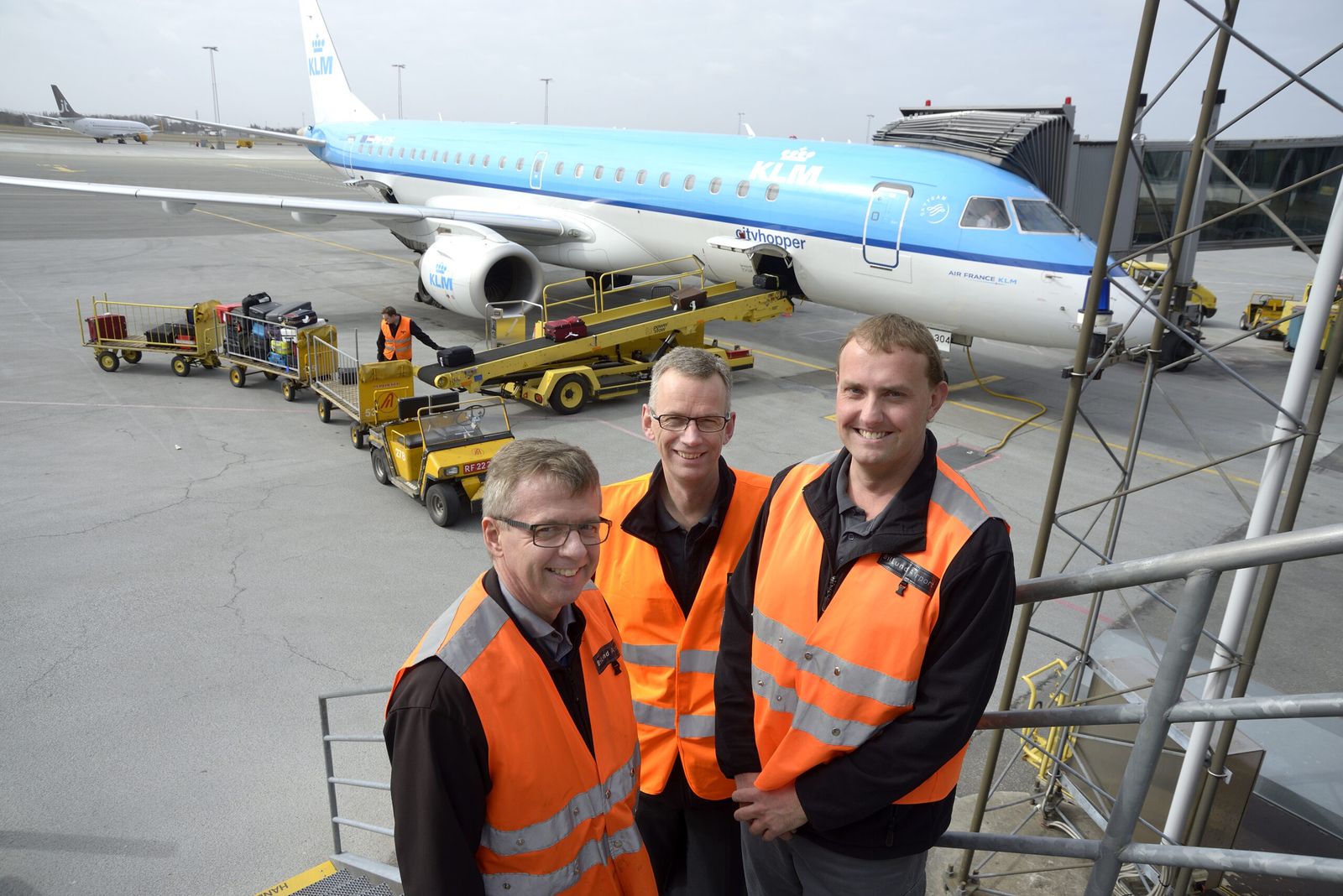
  • Automation solution for baggage handling at Billund Airport

    Billund Airport

    Modernisation of critical operations

    Analysis of existing baggage handling and development of an open, documented modernisation solution.

See NTO Automation's projects
Service, monitoring and ongoing optimisation

The investment is followed into daily operation

NTOlink is NTO's solution for logging and displaying production and consumption data, with an overview on web and mobile. Together with support, preventive maintenance and further development, it provides a basis for continuous improvement after commissioning.

Service scope and response are agreed in the specific service agreement.

What it means for operations

The solution can be followed, maintained and improved after commissioning within the agreed service framework.

Go to Service & support
  • NTOlink-dataoverblik
  • Logging of production and consumption data
  • Remote support
  • Preventive maintenance
  • Further development
NTOlink monitoring of production and consumption data
NTOlink

Production and consumption data in one place

Logging and displaying data from several installations gives a shared overview for operations and maintenance. NTOlink is one possible architecture; the right solution depends on your system landscape.

Decision and design

The questions that decide whether an automation project is robust in operation.

Ten questions we often go through with production, engineering and management before a project is qualified.

When should we modernise the existing installation, and when should we replace it?

The decision should be based on more than the age of the components.

NTO should first map spare parts availability, level of documentation, software access, safety, operationally critical dependencies, required capacity and integration needs. An installation with sound mechanics can often be modernised step by step with new controls, frequency converters and servo drives, HMI or data collection. If the existing architecture limits safety, performance or maintenance to a degree that makes many temporary interfaces necessary, a larger replacement may be more robust.

The commercial assessment should compare total risk and life cycle, not just purchase price. Include planned downtime, testing, production start-up, spare parts, training, documentation and future changes. Before NTO can recommend a route, access is needed to installation documentation, software backups, fault and stoppage data and the customer's requirements for future capacity. The Billund Airport case is an example of analysis and open, documented modernisation of critical operations.

How do we define responsibility between machine builders, NTO and our own organisation?

Responsibility boundaries should be defined as concrete interfaces and acceptance criteria, not just as a list of suppliers.

This includes signal exchange, data structures, safety zones, networks, alarms, operating responsibility, mechanical handover points and handling of fault conditions. There should be a named owner of the overall functional description and a controlled process for changes.

Commercially, a clear responsibility model reduces the risk of delays, extra work and faults that fall between two deliveries. NTO can take responsibility for an overall automation delivery or act as responsible specialist or subcontractor. What matters is that the role is agreed before design starts. Clarify early on the scope, documentation standard, test responsibility, access to third-party systems, schedule, the customer's own resources and who approves changes.

How do we document the business case for automation before the investment?

Start with a measurable baseline, and separate documented effects from expected gains.

The baseline can include cycle time, output, causes of stoppages, changeover time, scrap, staffing, quality deviations, energy consumption and the cost of downtime. Not every project has to be justified by fewer working hours. Capacity, traceability, working environment, delivery reliability, quality and technological risk can be equally important value drivers.

The business case should include a realistic production start-up and sensitivities for volume, uptime and implementation time. NTO can qualify the technical solution and the process data needed to track the effect, but the customer's production economics and financial assumptions must be included. The Dolle case is a documented example of 50% higher production capacity; the figure cannot be generalised to other projects.

How do we integrate PLC, SCADA and MES with our ERP without creating a fragile custom solution?

Integration should be built in clear layers, where each system has a clear data responsibility.

The PLC handles deterministic machine and process control. HMI/SCADA handles operator interaction, alarms and monitoring. MES or other production software handles order execution, batch, traceability, quality and history, among other things. ERP typically owns orders and business data, while WMS owns inventory and warehouse logic, depending on the specific architecture.

Robustness requires defined interfaces, data validation, a queue/buffer strategy for connection failures, time stamping, user rights, version control and documented recovery. Direct point-to-point integrations can be quick to set up but often become expensive to change. The right architecture depends on existing platforms, data rates, criticality and traceability requirements. An initial integration workshop should map system owners, data models, network zones, APIs/protocols, uptime requirements and failure scenarios.

How do we plan testing, FAT, SAT and production start-up so production does not become a test site?

The test strategy should be derived from requirements and acceptance criteria, and cover fault conditions, not just normal operation.

As far as possible, functions should be tested before installation through software testing, simulation, signal testing and relevant integration scenarios. A FAT can verify the agreed scope before delivery, while a SAT verifies the solution in the actual production environment. The terms are only used when they are part of the agreed project process.

Testing should also cover lost communication, sensor faults, emergency stops, controlled restarts, data loss and manual operation. Production start-up should be planned with staffing, an escalation path, spare parts readiness and clear handover criteria. Commercially, this discipline makes it easier to manage downtime and to avoid open development items being hidden as commissioning. The customer should state early on production windows, test materials, third-party dependencies and which employees can approve the functions.

How do we avoid supplier lock-in and make sure the installation can be maintained in five or ten years?

Maintainability starts with architecture and documentation.

Assess open or well-documented interfaces, standardised components, version strategy, software structure, source code access, backups, licences, spare parts plan and skills in the customer's organisation. A proprietary component can be technically right, but the dependency and the exit options must be visible.

As a minimum, documentation should reflect the actual installation and include electrical diagrams, network, I/O, software versions, functional description, machine safety matters, backup and restore, and change history to the agreed extent. Commercially, the investment should be assessed over its whole life: who can service it, how quickly can a fault be diagnosed, and what will the next change cost? NTO's role and the customer's access to documentation, software and tools are agreed explicitly in the quotation and project basis.
Which production data should we collect, and when does more data just mean more complexity?

Data should be linked to concrete decisions.

Start with the questions: Which losses do we want to detect? Which quality requirements must be documented? Which events must be traceable? Who will act on the information? Relevant data can be states, causes of stoppages, cycle times, batch, energy consumption, alarms, quality measurements and maintenance signals.

Data quality requires consistent definitions, context, time stamping and ownership. A large number of data points without naming, a model and a purpose does not automatically create insight. So design data collection together with reporting, retention, access and action. NTOlink is NTO's solution for logging and displaying production and consumption data, but it is not the only possible architecture. Clarify the desired KPIs, system owners, storage, integration and real-time data requirements.

Read about data management

How is OT security handled without making production difficult to run?

OT security must be built into the architecture and the operating model, not treated as an isolated IT project.

Relevant elements are network segmentation, controlled remote access, least privilege, backup and restore, logging, patch and version strategy, asset overview and clear procedures for supplier access. The measures must be aligned with the installation's safety, uptime and latency requirements.

The commercial goal is risk reduction and recoverability. A solution that blocks necessary troubleshooting can create new operational risk; uncontrolled access does the opposite. That is why production, IT, automation and external suppliers should clarify responsibilities and access routes together.

Go to Cyber Security

When are robots and vision the right solution, and when is simpler automation better?

A robot is not automatically the best solution; the flexibility must have a value.

Robots and vision are relevant when the task requires flexibility, repeatable movement, variant recognition, inspection or handling that is difficult to solve mechanically. Product variation, tolerances, cycle time, payload, reach, gripping technology, lighting, hygiene, machine safety, maintenance and operator interaction must be assessed together for the whole cell.

For a stable high-volume task, a simpler dedicated mechanism can be more robust and cheaper over its life. With many variants or frequent changes, robots and vision can give better changeover capability. A preliminary analysis should therefore use real items, variations and fault examples. Nomi4S and CTS Ferroperm/Mecademic are different, documented examples of sorting and precision inspection respectively.

What needs to be in place before NTO can give a qualified solution proposal and budget?

An early estimate improves when you describe goals and constraints rather than a specific technology.

Relevant input includes a process description, products and variations, required capacity, quality requirements, layout, existing equipment, system landscape, machine safety requirements, data and integration needs, production windows and requirements for documentation and service.

Unknown factors should be made visible as assumptions or clarification activities. When modernising existing equipment, a technical review, software review or data logging may be needed before the final scope. Commercially, this gives a more credible budget, fewer risk allowances and a better basis for prioritising necessary functions and later expansion.

Contact

Book a technical clarification.

Describe the process, goals and constraints, not necessarily the technology. We then clarify what needs to be in place for a qualified solution proposal.

Your contacts
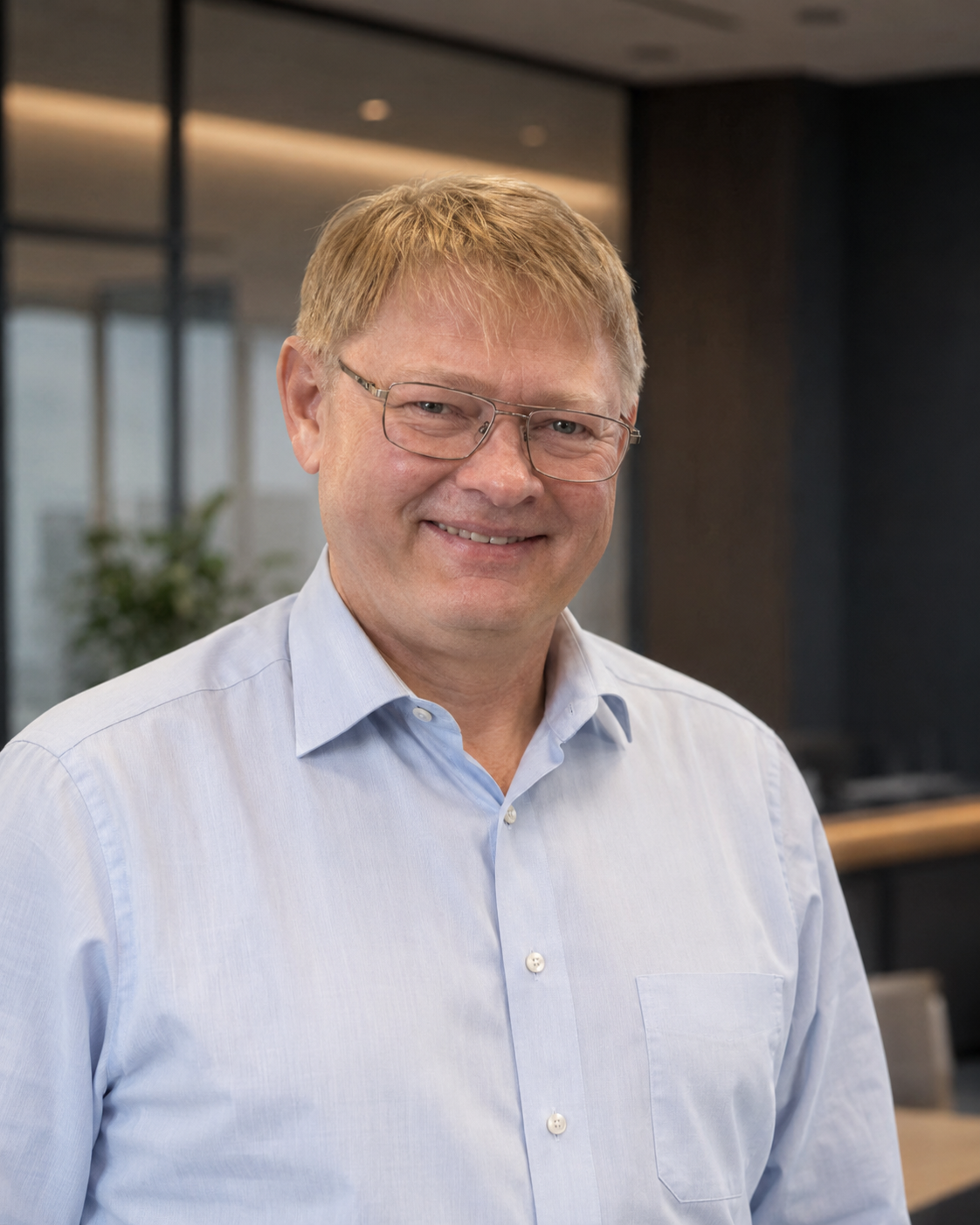
Peter Bank Nielsen, Sales Manager at NTO Automation
Sales Manager, NTO Automation
Peter Bank Nielsen
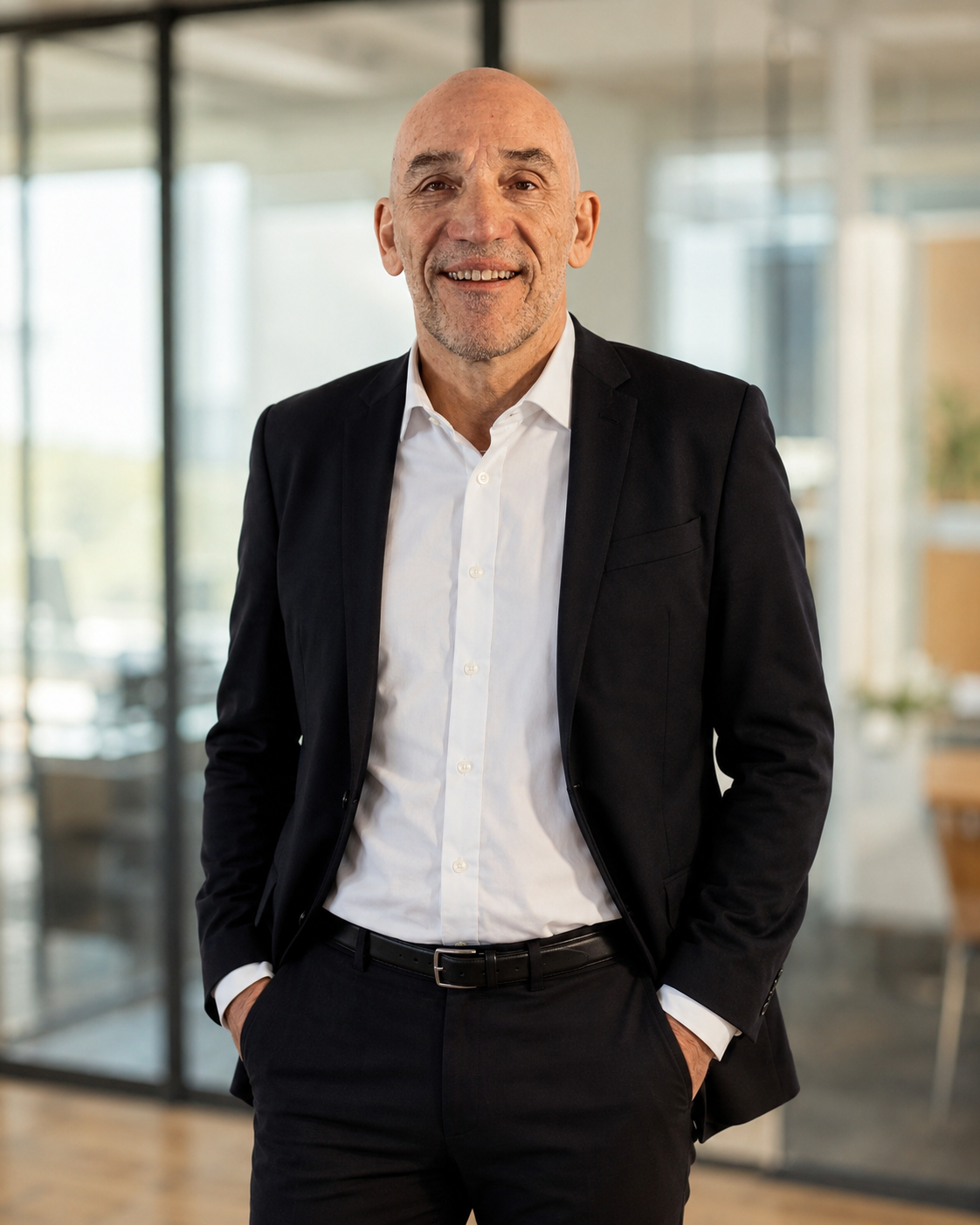
Preben Jakobsen, CTO at Motus Nordic Group and CEO at NTO Automation
CTO, Motus Nordic Group · CEO, NTO Automation
Preben Jakobsen
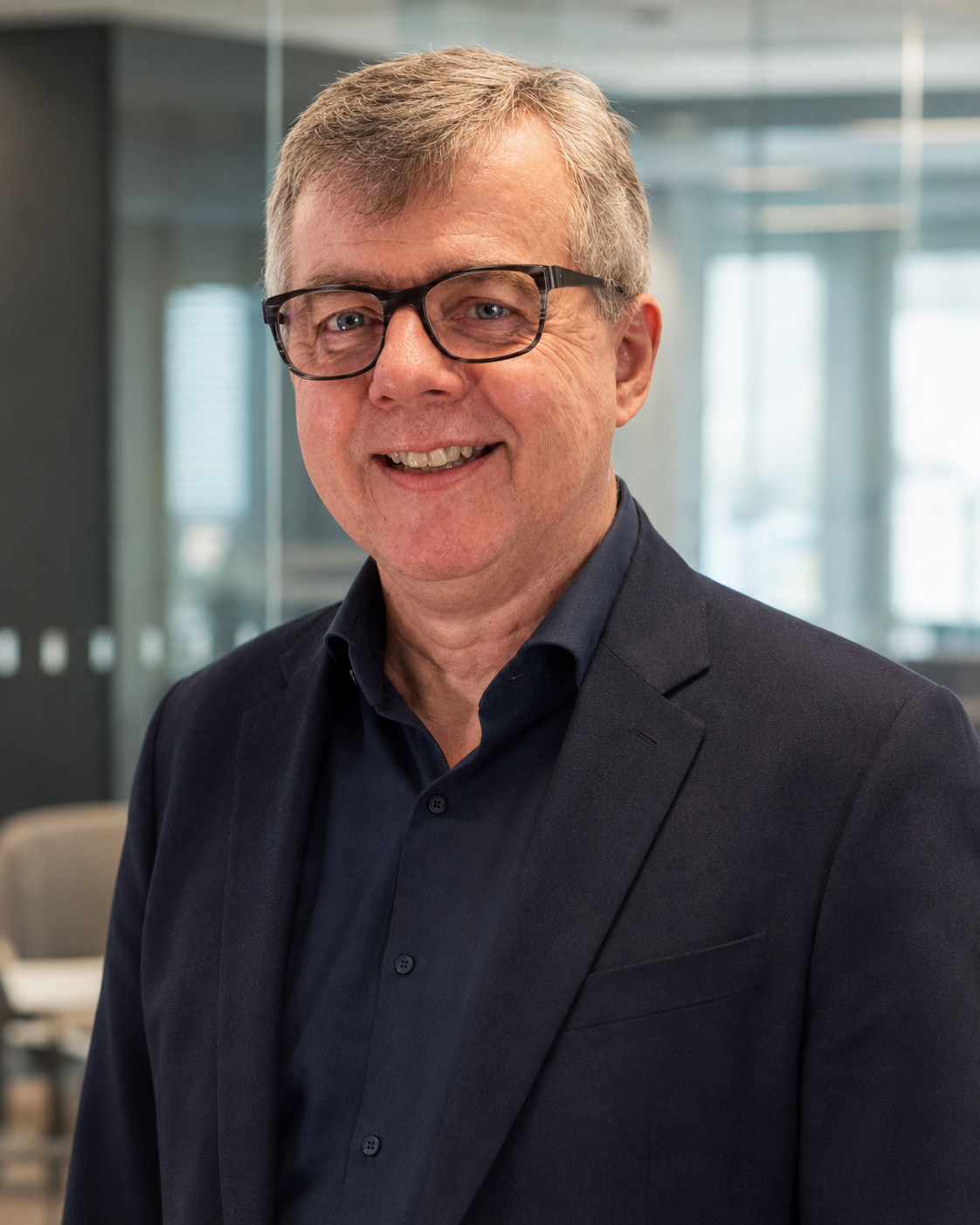
Anders Topp Daugaard, Business Development Director at Motus Nordic Group
Business Development Director, Motus Nordic Group
Anders Topp Daugaard
Kurt Nordholt, Motus Nordic Automation
Motus Nordic Automation
Kurt Nordholt
Write to us briefly

The enquiry opens in your own email program, so you can see exactly what is sent.

pbn@nto.dk